







Search Results for: flow rate too slow
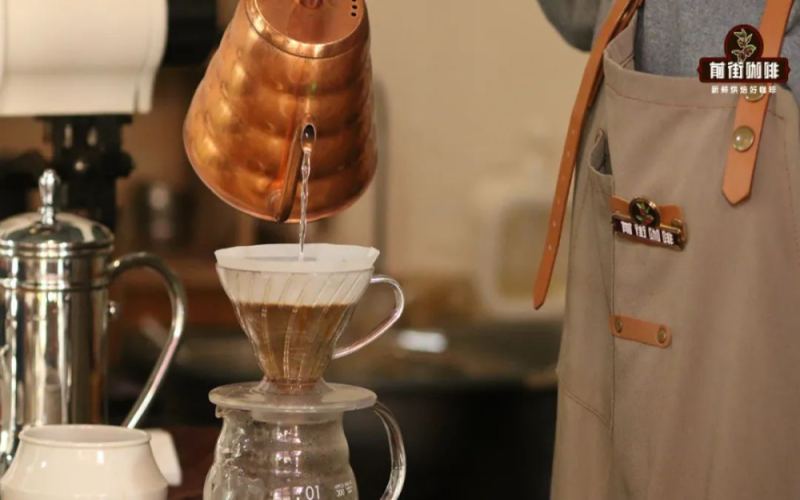
How Does Pour-Over Flow Rate Influence Flavor? Timing and Application of High vs. Low Flow Rates
What flavor differences do variations in pouring speed actually create during pour-over coffee brewing? Many enthusiasts hold misconceptions about flow rate—for example, believing that a slow pour is necessarily gentle and a fast pour is inevitably aggressive—when in fact the degree of turbulence is the real key to judging gentleness versus boldness. Moreover, because kettle spout diameters and water control abilities differ from person to person, there is no universal standard for what counts as a fast or slow pour. In this article, Front Street Coffee will guide you past these two misconceptions, teach you how to measure your own pouring rate with a digital scale, and analyze in detail how different flow rates affect extraction time, water level height, and the final taste, while also offering practical advice on when to increase the flow and when to switch to a slower pour, helping you find the pouring rhythm that suits you best. [more…]
Espresso Extraction Flow Rate Anomalies: Analysis of Causes and Adjustment Methods for Fast-Then-Slow Flow
When extracting espresso, the normal flow rate should start slow and gradually speed up, but sometimes the exact opposite occurs—after pressing the extraction button, the coffee liquid bursts out violently, then quickly thins and slows down. This abnormal flow rate—fast first, then slow—often indicates a problem with the extraction yield, and the resulting espresso's flavor is less than ideal. From Front Street's perspective, this article systematically breaks down the four major factors behind this phenomenon: the dose exceeding the basket's standard gram weight, uneven tamping causing channeling, the pressure pump set too high leading to an overly aggressive extraction, and the coffee beans having finished degassing and no longer being fresh. For each cause, the article provides specific adjustment solutions to help coffee enthusiasts find the root of the problem and correct it. [more…]
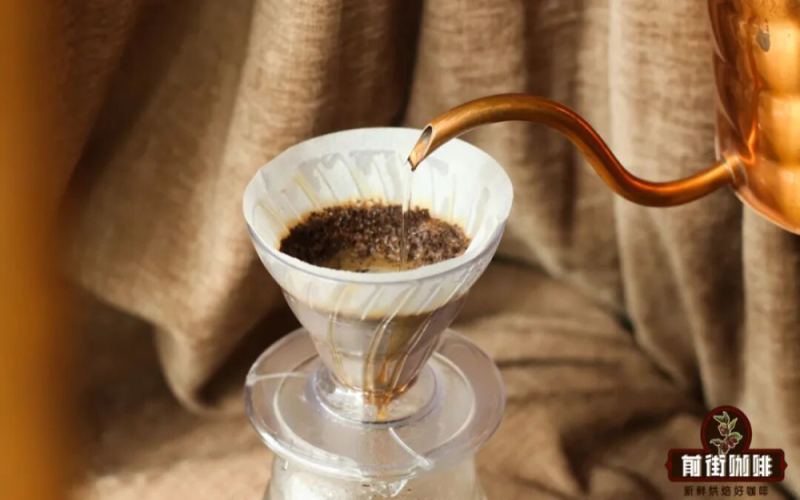
Analyzing the Causes of Abnormal Pour-Over Flow Rate: Seven Major Factors from Dripper and Filter Paper to Bean Quality and Water Flow
When brewing pour-over coffee, the drip rate of the coffee liquid often reflects the quality of the extraction. If the flow is too fast, it may lead to under-extraction and a weak, bland flavor; if the flow is too slow, it tends to over-extract, producing bitterness and off-flavors. So what exactly are the factors that influence the flow rate of coffee? Front Street Coffee will break down the key elements affecting flow rate one by one from seven aspects: the pairing of dripper and filter paper, the density and processing method of the coffee beans, the roast level, the grind size, the pouring technique, and the water level inside the dripper. Understanding the relationships among these variables will help you quickly identify the root cause the next time you encounter an abnormal flow rate and make targeted adjustments, bringing every cup of coffee closer to the ideal flavor. [more…]
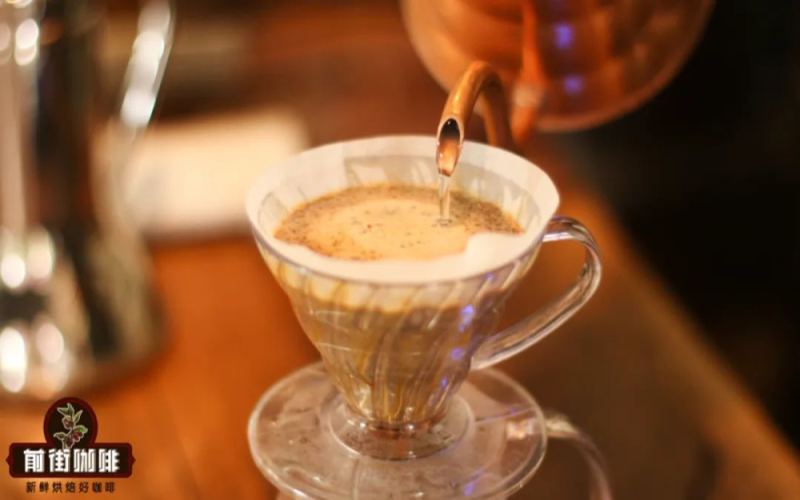
How Does Pour-Over Coffee Water Flow Rate Affect Extraction? A Detailed Explanation of the Differences Between Fast and Slow Flows and Methods for Measuring Flow Rate
During the pour-over brewing process, the speed of pouring water directly affects the extraction time, the state of the coffee bed, and the final flavor expression. Many enthusiasts misunderstand large and small water flows, believing that a small flow equals gentleness and a large flow equals forcefulness. In reality, flow rate refers to the amount of water poured per second and has no absolute relationship with impact force. This article will analyze in detail the effects of large and small water flows on different extraction results, share how to measure pouring flow rate with an ordinary electronic scale, and, combined with Front Street Coffee's practical experience, explain when to switch between large and small water flows, helping you adjust flexibly during brewing to achieve a more ideal coffee flavor. [more…]
Cause Analysis of Slow Flow in High-Density Light-Roast Pour-Over Coffee and a Practical Small-Flow Brewing Approach
Many coffee enthusiasts often encounter problems such as slow drainage, weak flavor, or bitterness when brewing high-density light-roast beans. These beans, due to their tight structure, high altitude, or light roast, easily settle and clog in the filter basket, leading to over-extraction or uneven extraction. Starting from Front Street's practical experience, this article analyzes the underlying reasons why high-density beans are difficult to brew and offers two approaches: first, multi-pour brewing, suitable for those not yet skilled at water control; second, a three-pour method with a slow, small stream throughout, better suited to players with some water-control foundation. Using Ethiopia's Geisha Village Red Label as an example, the article details the dose, grind, water temperature, and pouring rhythm to help you brew a great coffee with citrus and berry sweetness and acidity, rose aromatics, and an oolong finish. [more…]

Analysis of the Causes of Slow Drawdown in the Final Phase of Pour-Over Brewing and Practical Solutions
The total brew time of a pour-over is shaped by multiple factors at once—grind size, how the particles take on water, the pouring technique, and the design of the dripper—making it very hard to control precisely. Many people new to pour-over habitually use time as the standard for judging whether the flow rate is normal. Once the flow at the tail end of the brew refuses to come down, the extraction time gets dragged out and the coffee easily picks up bitter, off-flavors. This article focuses on the common frustration of standing water at the tail end of a pour-over, analyzing the causes one by one—from the quality of the coffee grind, the roast level of the beans, the pouring technique, and puck management—and offers the corresponding solutions summarized by Front Street to help you find the real reason behind the slow drainage and adjust accordingly. [more…]

A Complete Guide to Espresso Extraction Parameters: A Practical Guide to Dose, Ratio, Time, and Grind Size
To make a well-balanced espresso at home, relying on a fixed recipe alone is far from enough. Different coffee machines, different bean conditions, and even daily climate changes can all cause variations in the extraction result. This article systematically explains how to customize suitable espresso parameters for the blend beans you have on hand, from six dimensions: dose, brew ratio, extraction time, flow rate, pressure, and water temperature. At the same time, for the common problems of overly fast or overly slow flow, it provides troubleshooting adjustment ideas one by one, and introduces how to calculate the extraction yield through concentration testing to determine whether it falls within the golden cup range. The article recommends two espresso beans suitable for beginners to practice with—Front Street Classic Blend and Front Street Strawberry Candy Espresso—to help you find the ideal flavor faster through practice. [more…]
How to Determine the Grind Size for Espresso? A Complete Guide from Dialing-In Logic to Flow Rate Assessment
When making a proper espresso, choosing the grind size is often the most critical and most frustrating step. Unlike immersion brewing methods such as pour-over, an espresso machine relies on high temperature and high pressure to complete extraction in an extremely short time, which places demands on coffee grounds fineness and uniformity far beyond those of other brewing methods. If the particles are slightly too fine or too coarse, the flow rate can become abnormal, pushing the flavor toward over-extraction or under-extraction. This article will sort out the extraction principles of espresso from the ground up, explain the suitable grind fineness range, and provide a practical grinding adjustment process and flavor correction approach to help you quickly lock in the right grind setting even when facing unfamiliar beans. [more…]
A Complete Guide to Espresso Extraction: Practical Control Methods for Dose, Ratio, Time, and Grind Size
Want to make a balanced espresso at home but keep struggling with unstable flow rate and flavors that swing between sour and bitter? The truth is, there is no one-size-fits-all fixed parameter set for espresso extraction—coffee bean condition, grinder performance, machine pressure, and water temperature can all skew the results. This article approaches the topic from six dimensions—dose, brew ratio, extraction time, flow rate, pressure, and water temperature—and systematically explains how to customize a suitable extraction plan for the blend you have on hand, with specific references based on Front Street Coffee's classic blend and Strawberry Candy Espresso. It also includes methods for measuring espresso concentration and extraction yield to help you use golden cup data as a guide for adjustments, so you can ultimately find the cup you truly enjoy. [more…]
How Do Pour-Over Flow Rate and Spiral Speed Affect Flavor? A Guide to Brewing Fruity Coffee Beans
In the practice of pour-over coffee, flow rate and circling rhythm are two variables that are easily overlooked yet profoundly affect the final flavor. Front Street Coffee has previously conducted dedicated tests on these two factors separately. This time, we further cross-combined flow rate and circling speed, using two extreme methods—slow circling with a small stream and fast circling with a large stream—to conduct a comparative brewing of a fruity, rich Front Street Colombia Sidra. The experiment was carried out under completely identical conditions of dose, coffee-to-water ratio, grind size, and water temperature. Through concentration measurement and flavor description, it reveals the specific effects of different pouring strategies on extraction efficiency and taste direction. Whether you prefer a full-bodied, rich cup or a light, delicate one, this article will provide reusable adjustment ideas for your daily brewing. [more…]
How to Control the Extraction Time of Pour-Over Coffee? The Combined Effects of Dripper Structure, Coffee Dose, and Pouring Speed on Flow Rate and Flavor
The extraction time of pour-over coffee directly affects the final flavor strength and mouthfeel. This article breaks down how four dimensions—dripper structure, coffee dose, pouring speed, and grind size—influence the contact time between coffee grounds and water, and in turn change the coffee's layering and body. Using 15 grams of coffee, a 1:15 coffee-to-water ratio, and a V60 or KONO dripper as an example, a Front Street Coffee barista shares a 2-minute brewing recipe suitable for beginners, helping enthusiasts consistently recreate café flavors at home while understanding the logic behind different combinations such as fast brewing with a fine grind and slow brewing with a coarse grind. [more…]
How to Adjust the Grind Setting for Espresso? A Practical Guide to Judging Fineness from Flow Rate and Flavor
Grind size has an enormous impact on coffee extraction results, and this is especially true for espresso. Compared with pour-over, espresso grounds are as fine as powdered sugar, and a slight deviation in the setting can cause the flow rate to be too fast or too slow, which in turn pushes the flavor toward either weakness or bitterness. This article focuses on how to determine a suitable grind range, how to fine-tune the setting based on flow rate and flavor, and how to flexibly apply extraction formulas, helping coffee lovers make consistently delicious espresso at home. It also draws on Front Street Coffee's daily production experience to give specific adjustment ranges and judgment criteria, and recommends Front Street's classic espresso blend beans, which are well suited to recreating a café-style flavor. [more…]
How do you adjust the grind setting for espresso? A complete approach from judging coarseness to calibrating flow rate
Espresso is ground much finer than pour-over, and the adjustment range is often just 0.1 of a notch, yet it is enough to determine whether a cup of coffee is too sour, too bitter, or just right. This article begins with how to judge grind size, explains why espresso cannot be calibrated with a sieve, how to narrow down the range through flow rate and taste, and introduces two beans suitable for recreating at home: Front Street Coffee Classic Espresso Blend and Front Street Coffee Strawberry Candy Espresso Beans. Finally, it offers adjustment strategies for when the flow is too fast or too slow, and how to combine flavor rather than rigidly adhering to formulas to find the truly suitable grind setting. [more…]
How Does Pour-Over Coffee Water Flow Rate Affect Extraction Flavor? Testing the Difference Between 3ml/s and 6ml/s
Will the pouring speed of pour-over coffee actually change the flavor direction of a cup of coffee? Front Street Coffee used Ethiopian Huakui beans as the sample, keeping the coffee dose, grind size, water temperature, and coffee-to-water ratio fixed, and adjusting only the pouring rate of the second stage—injecting 120 ml of hot water at 3 ml per second and 6 ml per second respectively, with two brews for each to compare. The experiment recorded extraction time, coffee bed condition, concentration, and extraction yield data, and compared the sweetness, acidity, and layering performance. The results showed that a slower pour can indeed extract more substances, but neither brewing method produced negative flavors, and the differences were mainly reflected in berry sweetness and the liveliness of acidity. This article will present the complete experimental process and data to help enthusiasts understand the true impact of pouring speed. [more…]
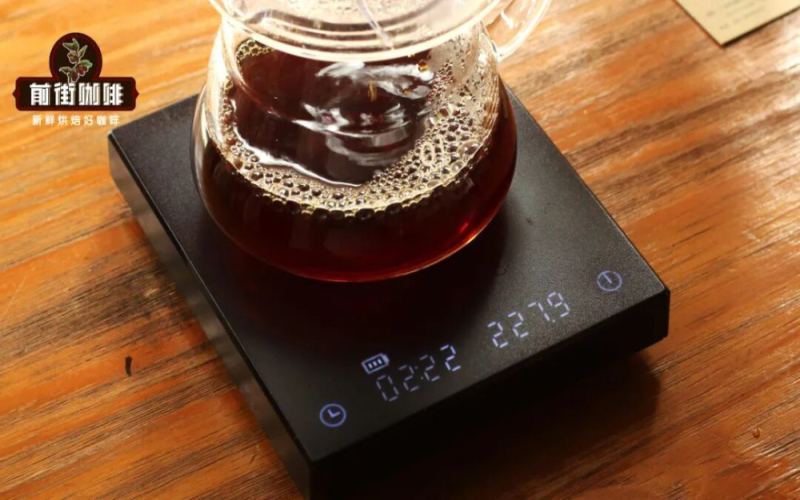
Pour-over coffee draining slowly or taking too long to extract—what to do? Find out the causes of water pooling and practical adjustments.
In pour-over coffee, extraction time is often the most difficult variable to control. Many coffee enthusiasts, when brewing at home, have encountered the situation where hot water is slow to drain through and the time gets dragged out. To avoid over-extraction, some people remove the dripper early, but is this really effective? Starting from the brewing framework commonly used at Front Street, this article sorts out several main reasons for slow flow and water retention, including too many fines, improper pouring technique, and the characteristics of light-roasted beans, and offers corresponding solutions to help you improve your brewing performance without changing equipment. [more…]
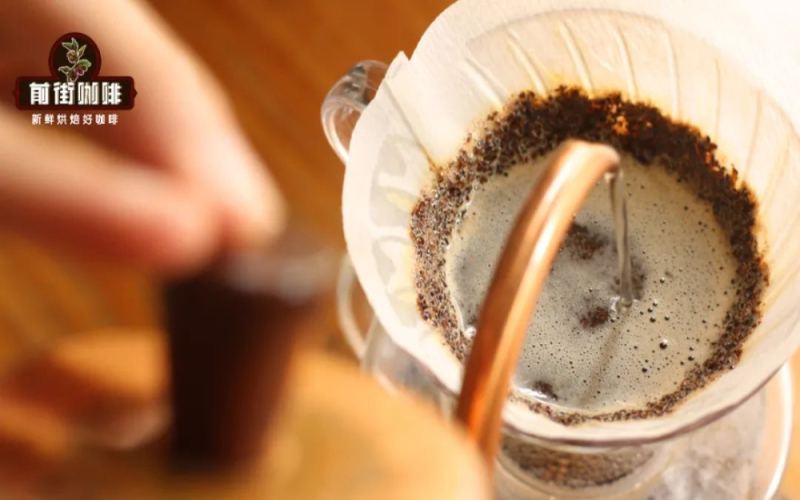
Fine Grind Fast Pour vs. Coarse Grind Slow Pour: Flavor Differences and Practical Comparison of Two Pour-Over Schools
In the world of pour-over coffee, beyond the common brewing schools, two opposing approaches have emerged, divided by grind size and brew time: fine grind fast brew and coarse grind slow brew. Both are based on the same extraction principles, yet they deliver entirely different drinking experiences. This article will analyze the theory behind these two approaches from the perspectives of surface area, water flow rate, and dripper pairing, and conduct a practical comparison using the same medium-roast Papua New Guinea · Bird of Paradise beans, using a V60 and a Kono dripper, the same coffee-to-water ratio and water temperature, to observe the specific flavor differences between fine grind fast brew and coarse grind slow brew, helping coffee enthusiasts understand how to choose the right brewing strategy based on grind size. [more…]

Why Is Milk Unsuitable for Pour-Over Coffee? Analyzing the Truth of Milk-Brewed Coffee Through Temperature, Concentration, and Flow Rate
Using milk instead of water to brew pour-over coffee sounds like an interesting experiment, but once you actually try it, you'll find that getting a delicious cup of milk coffee is nearly impossible. Front Street Coffee has shared related experiments many times, and the conclusion is always the same: milk is not suitable for brewing coffee. Three core limitations lie behind this—temperature, concentration, and flow rate. Milk can neither maintain a good mouthfeel at high temperatures, nor avoid severely slowing down extraction due to its own high concentration, and it can even turn drip extraction into immersion extraction. This article will break down these limitations one by one and explain why, if you want to extract coffee with milk, immersion is the more viable direction. [more…]
What does circular pouring actually affect in pour-over brewing? Extraction differences and practical tips from flow rate and circling speed
When brewing pour-over coffee, the size of the water stream and the speed of the circling often determine the direction of the final flavor. This article analyzes these two variables: how a small stream and a large stream respectively change the thickness of the coffee bed, the drainage speed, and the mouthfeel; and how the speed of circling affects the washing force and extraction efficiency. Using 15g of coffee, a 1:15 coffee-to-water ratio, and a water temperature of 91℃, it conducts a comparative brew of two combinations—"small stream with slow circling" and "large stream with fast circling"—recording the differences in concentration and flavor to help you understand the true role of circling in extraction and adjust your grind and technique accordingly. [more…]
Panama Elida ASD Anaerobic Low-Temperature Slow Natural Geisha: Four Pour-Over Brewer Methods and Flavor Comparison
Front Street recently acquired a Geisha coffee bean from Elida Estate in Panama, processed using the NATURAL-ASD anaerobic fermentation low-temperature slow sun-drying method—the same process used for this year's Panama BOP champion Geisha in the processing category. After the beans were properly rested, we tested brewing with a hollow filter cup, Ice Eye filter cup, cake filter cup, and diamond filter cup, standardizing the parameters to 15 grams of coffee, medium-fine grind, 90°C water temperature, and a 1:15 coffee-to-water ratio, recording the extraction time and flavor performance for each filter cup. Elida Estate is renowned for its sun-dried processing, and this ASD Geisha shines in fermentation aroma, juicy mouthfeel, and layered tea-like notes. Below, we share four specific brewing recipes and comparison results for coffee enthusiasts' reference. [more…]
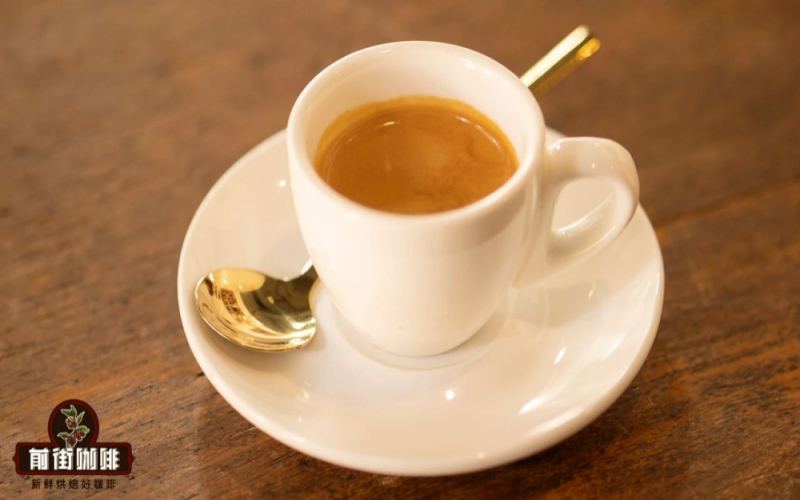
Analysis of the Standard Espresso Extraction Process: Parameter Control, Flow Rate Assessment, and Front Street Coffee Blend Recommendations
Espresso extraction may seem simple, but in reality it involves the coordination of multiple variables such as dose, ratio, time, flow rate, pressure, and water temperature. This article systematically reviews internationally accepted technical standards and Front Street Coffee's practical understanding of brewing parameters, analyzing each extraction factor that affects espresso flavor one by one, helping readers identify problems that may arise when the flow rate is too fast or too slow and the direction for adjustment. It also introduces in detail the various espresso blend coffee beans and SOE products currently sold by Front Street Coffee, including recipe concepts, flavor characteristics, and suitable scenarios, and provides practical advice on roast dates and optimal flavor periods for daily coffee bean purchases. [more…]